aFewSteps.org
  • About Us
  • Our Initiatives
    • Electric Lawn Equipment Initiative
    • Green Energy >
      • how to switch to green energy
    • Shade Trees
    • Waste Free Parties >
      • Dinner & BBQ
      • Block Parties
    • Walking School Buses
  • Green Tips of the Week
  • Recycling
  • Workshops
  • Contact Us

Insulate hot water pipes

1/2/2026

 
Picture
Insulating your hot water heater pipes retains heat in the water that reaches your faucets, saving energy and money.

According to PECO, “Insulating your water heater pipes can help recover lost heat, decrease the time required for hot water to reach your faucets, and save you money. You can install foam insulation yourself in just a few hours.”  By retaining heat, the water that reaches the faucet is at a higher temperature.  This allows you to reduce the temperature setting on your water heater, further saving energy and money.

Insulating your hot water pipes is an inexpensive DIY project, and the materials are readily available at hardware stores.  


Stream on the smallest and most energy-efficient device possible

11/21/2025

 
Picture
Streaming on your laptop or phone uses a fraction of the energy required to stream on a TV
 
Read more at Everything Energy.com


Keep AC unit unblocked

7/25/2025

 
Picture
Your outdoor AC unit will work more efficiently if the area within two feet around it is kept clear of vegetation and debris that could block air flow.
​

Clear vegetation within two feet of your outdoor AC unit and clean debris from the interior and exterior of the unit.  If airflow is obstructed, the unit will have to work harder, using more energy and driving up your electric bills.  Leaves and grass clippings can also cause damage leading to costly repairs and shortening the life of the system.


Automate light use with sensors, motions detectors, and timers

5/23/2025

 
Picture
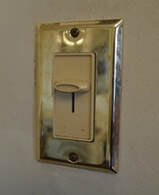
Having both indoor and outdoor lights with light sensors, motion detectors, or on timers automates turning lights on only when you need them, saving energy and money.

PECO estimates that you can save up to $15 per year by installing wall-mounted light sensors in your house and putting devices on timers so that they are turned off during the hours that they are not needed.  You can save another $25 per year by installing outdoor lights with light sensors, so that they only turn on after dark, and motion sensors, so that they turn on just while you need them to see while you unlock your door.  You get the benefit of security lights while minimizing the use of these higher wattage lights.

Read more from the Department of Energy.

Photo by Susan O'Donnell

Turn off your computer at night

3/28/2025

 
Picture
Turning your computer off at night could help you reduce its energy costs by 33%. 

There is a misconception that the small surge of energy when turning on a computer uses more energy than leaving it on.  It is also untrue that turning a computer on and off is harmful to the computer.  Turning your computer off for the hours that it is not in use is the best way to reduce its energy consumption.  Electronic devices, including your computer and monitor, draw some power even while turned off.  Plugging these devices into a power strip and turning it off when you're not using them will save you even more.  Allowing your computer to go into sleep mode when you are away from your desk is the helps reduce energy use during the day. 


Photo by Susan O'Donnell

Line dry clothes outside, even in winter

2/14/2025

 
Picture
Even in the coldest months of winter, you can dry your clothes outside due to a process called sublimation.

Drying clothes outside is simple in summer but it’s also possible in the coldest months of winter. Due to a process called sublimation, water turns from a solid to a gas without having a liquid phase. Essentially, it evaporates without turning to water first, the same basic process as freeze-drying. 

Read more at Ecowatch.com.


Use rechargeable instead of disposable batteries

1/17/2025

 
Picture
Rechargeable batteries cost a little more upfront than disposables, but they save you money in the long run because they can be reused hundreds of times.  According to Consumer Reports, rechargeable batteries are useful for devices that draw a lot of power over a shorter amount of time and require frequent battery changes, such as toys and computer mice.  Disposable batteries are still better suited for clocks and smoke detectors which draw a low amount of energy over a long time.

When they come to the end of their life, be sure to keep rechargeable batteries out of the landfill and instead deposit them where they are accepted for recycling, such as The Home Depot, and Lowes.  Recycling rechargeable batteries not only recovers their toxic metals to keep them out of the environment but also reduces the need to mine metals needed for new batteries!


Read more at ConsumerReports.org

Photo by Susan O'Donnell

Open doors manually

11/22/2024

 
Picture
Open doors by hand without using electricity; only use the paddle to automatically open doors if you are otherwise unable to open doors manually.


It’s very straightforward: Every time a door is opened automatically, electricity is used;  when opened manually, the electricity use is zero.  Unless you truly need the assistance of the automatic door, resist using electricity to have the door opened for you and just open it by hand.  Opening the door yourself is actually faster and more efficient than waiting for the motor.  The slower speed of the automatic door also keeps it open longer, letting more heated or air-conditioned air leave the building.  The high use of the automatic system also adds to its wear and tear, and a break-down of the system would have a greater impact on those who rely on this automation.

Read more at Recycle Nation.


Photo by Susan O'Donnell

Heat water with an electric tea kettle

11/15/2024

 
Picture
Boiling water with an electric kettle uses less energy than either the stovetop or microwave.


Because the heating element in an electric kettle heats the water directly, it is the most efficient method for heating water.  The stove and microwave transfer heat to the pot or mug.  You can increase the efficiency of making your tea even more by only adding the amount of water that you need to the kettle.  If you simply fill the kettle to the top, you are heating more water than you need.


Read more at Treehugger.com

Photo by Susan O'Donnell

Stop using gas-powered lawn equipment

10/11/2024

 
Picture
The inefficient technology of gas-powered lawn equipment makes them, pound for pound, more polluting than trucks and cars and exposes gardeners who operate them to carcinogenic exhaust fumes, including the concerning pollutant known as PM2.5.

Collectively, gas-powered lawn equipment contributes about 5% of U.S. CO2 emissions annually, according to the EPA, a shockingly high amount. The inefficient small engines disproportionately cause pollution and health problems.  Make the switch to electric equipment and expand your landscaping to decrease the size of your lawn.  In Swarthmore, you can help others make the switch to electric lawn equipment by contributing to our new initiative (Sw,eLL: Swarthmore Electric Lawns) to fund the purchase of electric technology.

Read more about the effects of gas powered equipment here at Grist.org


Photo by Susan O'Donnell

<<Previous

    Categories

    All
    Chemicals
    Environmental Impacts
    Food
    Home Energy
    Outdoors
    Plastic
    Recycle
    Reduce Waste
    Reuse
    Transportation
    Water

    RSS Feed

    Archives

    December 2024
    November 2024
    October 2024
    September 2024
    August 2024
    July 2024
    June 2024
    May 2024
    April 2024
    March 2024
    February 2024
    January 2024
    December 2023
    November 2023
    October 2023
    September 2023
    August 2023
    July 2023
    June 2023
    May 2023
    April 2023
    March 2023
    February 2023
    January 2023
    December 2022
    November 2022
    October 2022
    September 2022
    August 2022
    July 2022
    June 2022
    May 2022
    April 2022
    March 2022
    February 2022
    January 2022
    December 2021
    November 2021
    October 2021
    September 2021
    August 2021
    July 2021
    June 2021
    May 2021
    April 2021
    March 2021
    February 2021
    January 2021
    December 2020
    November 2020
    October 2020
    September 2020
    August 2020
    July 2020
    June 2020
    May 2020
    April 2020
    March 2020
    February 2020
    January 2020
    December 2019
    November 2019
    October 2019
    September 2019
    August 2019
    July 2019
    June 2019
    May 2019
    April 2019
    March 2019
    February 2019
    January 2019
    December 2018
    November 2018
    October 2018
    August 2018
    July 2018
    June 2018
    April 2018
    March 2018
    February 2018
    January 2018
    November 2017
    October 2017
    September 2017
    August 2017
    July 2017
    June 2017
    May 2017
    March 2017
    February 2017
    January 2017
    December 2016
    August 2015
    June 2015
    November 2014
    September 2014
    June 2014
    April 2014
    March 2014
    February 2014
    January 2014
    October 2013
    July 2013
    April 2013
    February 2013
    January 2013
    November 2012
    July 2012
    April 2012

Donate
​About Us
Our Initiatives
Green Tips
Recycling
Workshops
Contact Us
[email protected]

​Mailing Address:
aFewSteps.org
P.O.Box 330
Wallingford PA 19086-0330
©2022-2023 aFewSteps.org  |  All Rights Reserved.